How photography gets students moving, observing, and creating

Students spend much of the school day receiving information. They listen, read, watch and take notes. Even good lessons can leave them sitting still while someone else decides what deserves their attention.
Photography changes that.
Give students a camera and a clear assignment, and they become active participants in their learning. They move around. They make decisions. They notice details. Most importantly, they create something that reflects how they see the world.
Taking a photograph requires more than pointing a camera and pressing a button. Students must decide:
- What is worth photographing?
- What should be included in the frame?
- What should be left out?
- Which details help communicate the idea?
- Where should the photographer stand?
These decisions turn an ordinary photography activity into an exercise in observation, judgment and communication.
A student who photographs patterns on the playground is practicing math. A student documenting erosion is studying science. A photograph of a historic building can lead to questions about the people who built it and the community that grew around it. A series of images showing a class project from beginning to end becomes an exercise in sequencing and storytelling.
Photography does not have to compete with academic subjects. It can help students engage with them.
start with a mission

“Go take some pictures” is too broad. Students usually need a reason to look.
A simple photography mission gives them direction while leaving room for individual interpretation. Try prompts such as:
- Photograph three examples of change.
- Find evidence that people have used this space.
- Show a pattern without photographing the entire object.
- Take one photograph that communicates calm and another that communicates energy.
- Photograph a problem in your school or community.
- Tell a story using five photographs.
A good prompt directs attention without deciding what the finished photograph should look like.
That matters because students are not merely searching for the teacher’s answer. They are finding and presenting evidence of their own.
movement with a purpose
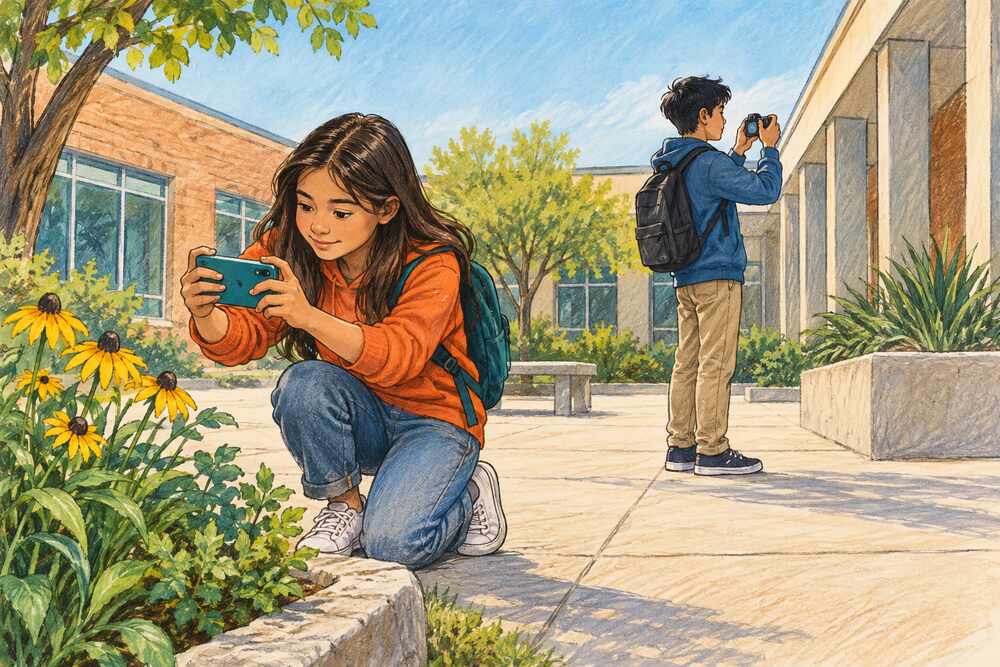
Teachers sometimes hesitate to let students move around because movement can quickly become distraction. Photography gives that movement a purpose.
Students are not simply wandering. They are looking for examples, comparing possibilities and testing ideas. The camera provides a structure for exploration.
The activity can be as controlled as necessary. Students might photograph within the classroom, work in pairs in a hallway or explore a designated outdoor area. Even ten focused minutes away from their desks can change the energy of a lesson.
When students return, they bring something back with them: a visual record of what they found and a reason to talk about it.
Every Student Can Make a Different Discovery
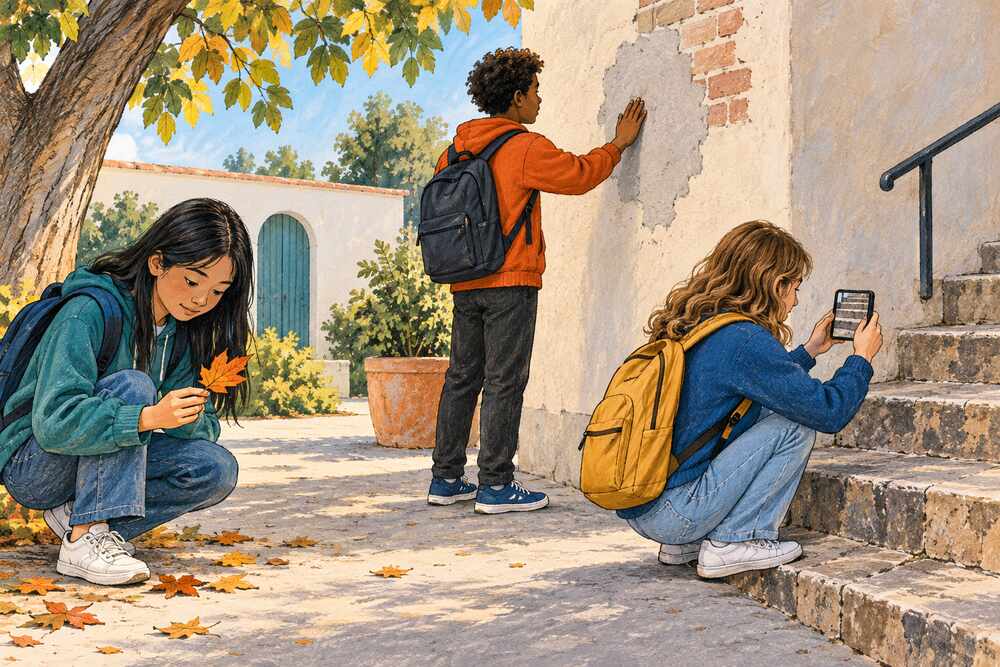
Many classroom assignments move toward a single correct response. Photography makes room for several valid answers.
Ask a group of students to photograph “evidence of change,” and one might notice a fallen leaf. Another may photograph a repaired wall, a worn stairway or a construction site. Each student responds to the same assignment, but each photograph reveals a different way of noticing.
Those differences create meaningful conversation.
Why did you choose that subject? What did you see that someone else might have missed? How does your photograph communicate the idea? What would change if you moved closer or photographed from another angle?
Students learn that perspective is not merely an opinion. It is also a position, a choice and a way of directing attention.
The Camera Does Not Need to Be Complicated

Students do not need professional equipment or extensive technical instruction. A smartphone, tablet or basic digital camera is enough.
Begin with one idea: fill the frame with what matters.
That single instruction encourages students to move closer, remove distractions and think more carefully about what they are trying to show. Technical skills can be introduced gradually, but observation should come first.
The goal is not to produce perfect photographs. The goal is to help students make intentional ones.
From Looking to Creating
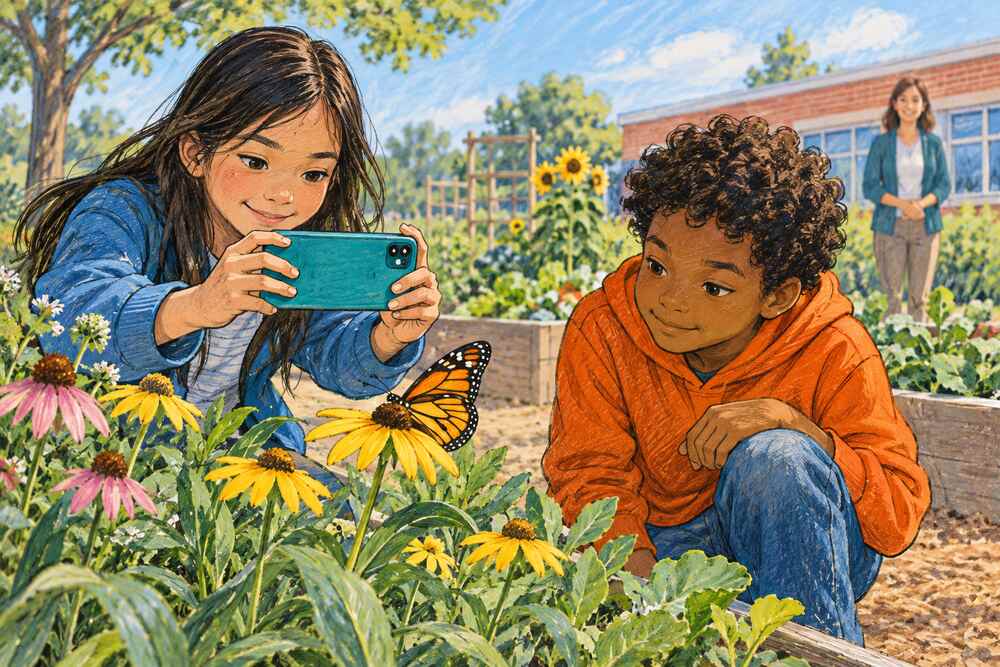
Photography gives students an immediate result, but the learning does not end when the picture is taken.
Ask students to select one image and explain why it best answers the assignment. Let them compare photographs with a partner. Display several responses and discuss how different choices communicate different ideas. Invite students to add a caption, paragraph, poem, scientific explanation or historical interpretation.
Their photographs can become evidence, writing prompts, discussion starters or the foundation of a larger project.
This is where photography becomes especially valuable. It connects observation with expression. Students first notice something, then decide how to show it, and finally explain what their image communicates.
Give Them Something Worth Doing
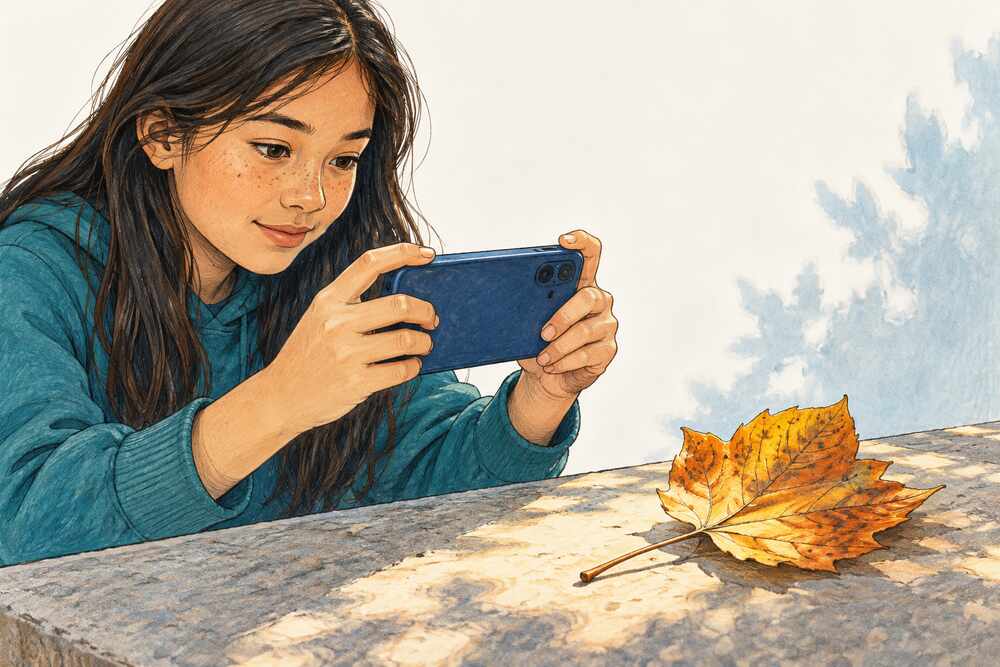
Students do not always need another worksheet. Sometimes they need a reason to stand up, explore their surroundings and discover that their own way of seeing has value.
Photography can provide that opportunity in almost any subject and with almost any age group. It gets students out of their seats—but the movement is only the beginning.
They look closely.
They make choices.
They create something of their own.
And when students become active observers instead of passive recipients, learning starts to feel less like an assignment and more like discovery.
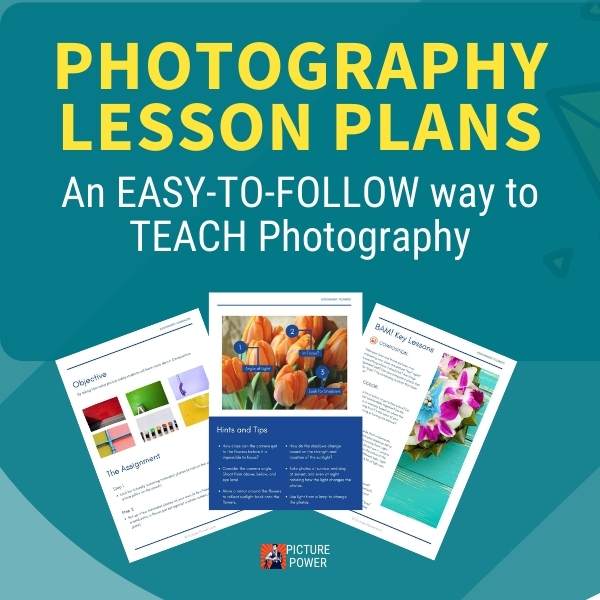
A COMPLETE PHOTOGRAPHY TEACHING KIT
**BRAND NEW FOR 2026!




Search
Picture Power