10 Ways to Spark Creativity in Students Who Say “I’m Not Creative”
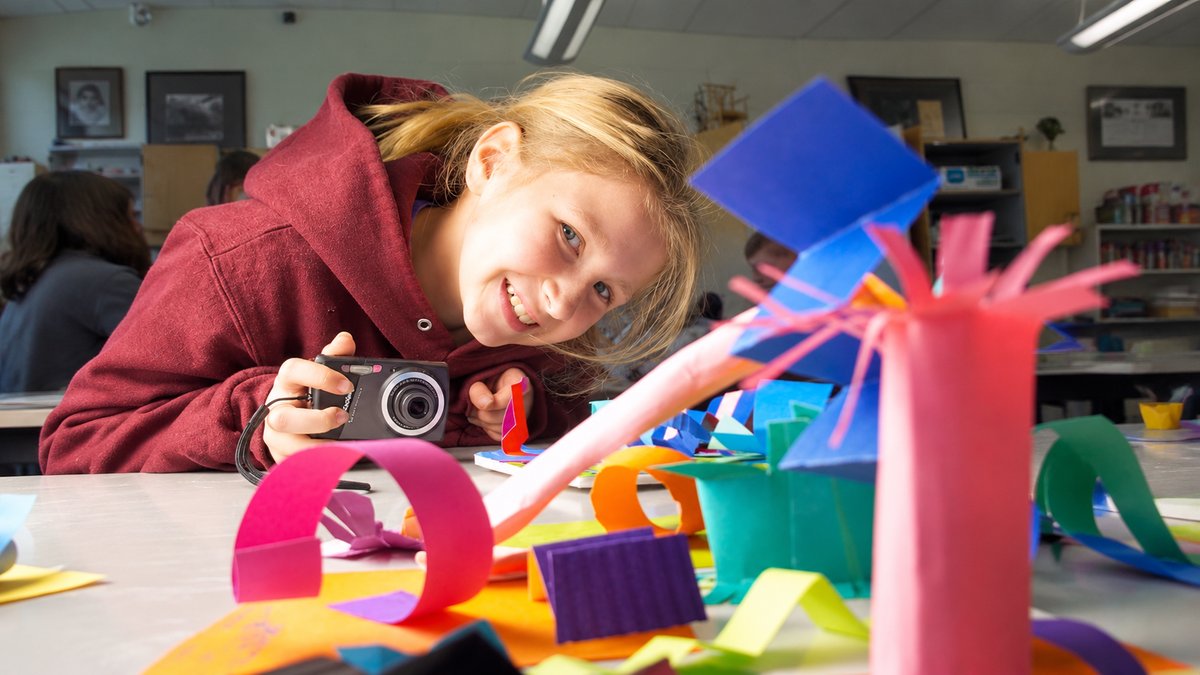
Simple ways to build creative confidence, encourage experimentation, and help every student discover their artistic potential.
Every teacher has heard it: “I'm just not creative.”
Maybe it comes from a student staring at a blank page, hesitating to pick up a camera, or comparing their work to someone else's.
For many students, creativity feels like a special talent that some people have and others simply don't.
But here's the good news...
Creativity isn't something you're born with or without. It's a skill that can be developed through practice, curiosity, and encouragement.
Whether you're teaching photography, art, or another creative subject, these ten simple strategies can help students overcome self-doubt and discover that they're more creative than they think.
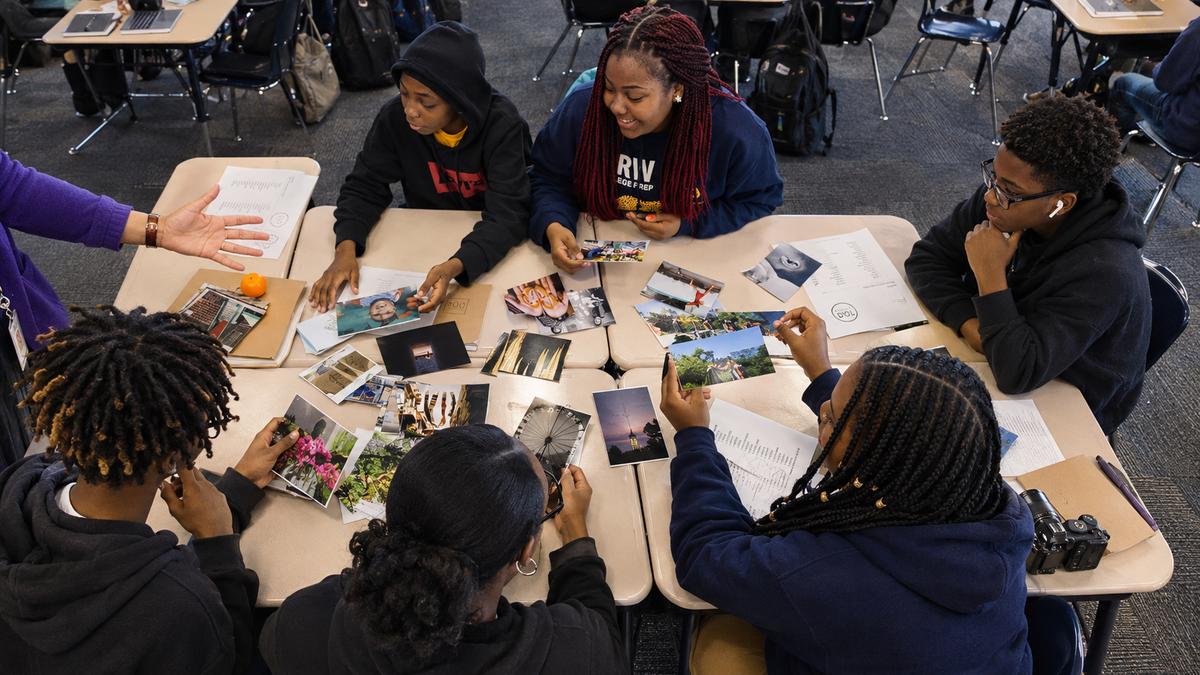
1. Start With Curiosity, Not Talent
Instead of asking students to create something amazing, ask them to notice something interesting.
What catches their eye? What makes them curious? What do they see that others might overlook?
Creativity often begins with observation, not artistic ability.
A student who notices an unusual shadow or an interesting pattern is already thinking creatively.
2. Remove the Pressure to Be Perfect
Perfectionism is one of creativity's biggest enemies.
Remind students that their first attempt doesn't need to be their best.
In fact, some of the most interesting discoveries happen when something doesn't turn out as planned.
Try calling early attempts "experiments" rather than finished projects. This simple shift encourages students to explore without worrying about getting everything right.
3. Give Them Small, Playful Challenges

A blank page can feel intimidating.
A small challenge feels manageable.
Instead of saying, "Take a creative photograph," try asking students to photograph something ordinary from an unusual angle.
Specific prompts give students a starting point while leaving plenty of room for imagination.
4. Celebrate Different Perspectives
Show students that there's rarely just one creative solution.
Ask several students to photograph the same object, then compare the results. Some might focus on texture, others on color, shape, or lighting.
The lesson? Creativity isn't about finding the right answer. It's about discovering your own perspective.
5. Make Room for Mistakes
Sometimes the blurry photograph, unexpected shadow, or accidental reflection turns out to be the most interesting image.
Encourage students to look at their mistakes with curiosity rather than frustration.
Ask: "What happened here? Is there something interesting you could try again?"
6. Let Students Make Choices
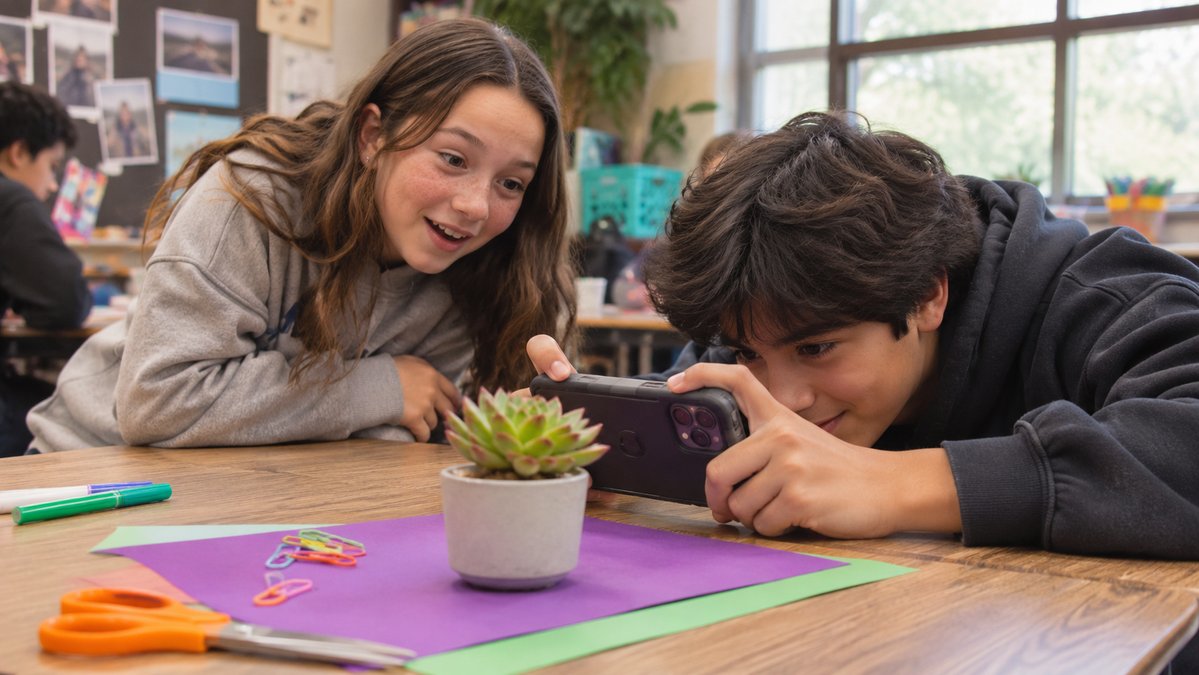
Creative confidence grows when students feel ownership over their work.
Offer choices whenever possible.
Let students select their subject, materials, location, or approach.
Even small decisions can turn an assignment into something personal and meaningful.
7. Encourage Collaboration
Students who struggle to generate ideas alone often become more confident when brainstorming with classmates.
Try pairing students for a quick creative challenge or asking small groups to come up with three different approaches to the same assignment.
Sharing ideas helps students realize that creativity is a process, not a competition.
8. Use Everyday Objects as Inspiration
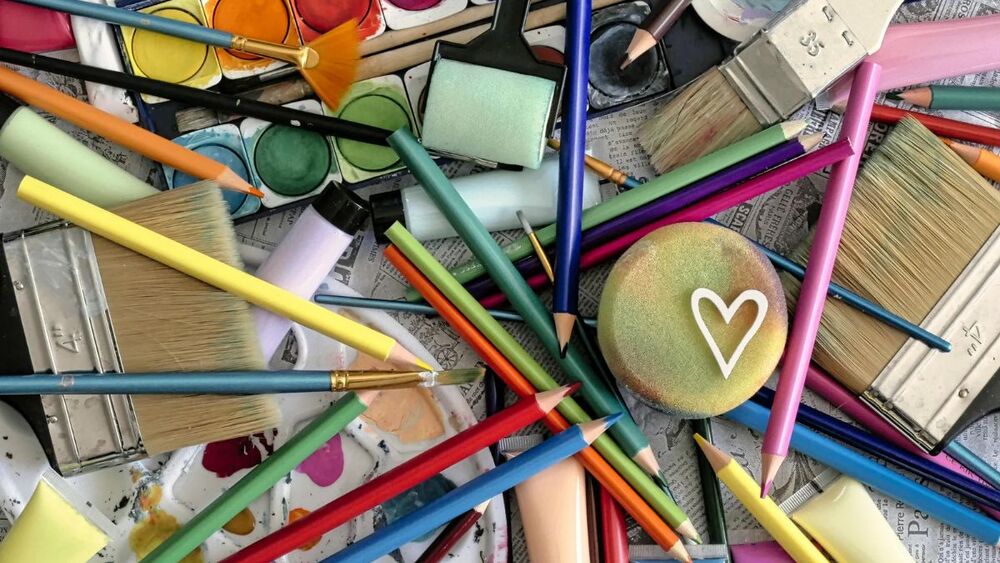
You don't need expensive art supplies, elaborate setups, or professional cameras to inspire creativity.
A paperclip, a leaf, a coffee mug, or a string of holiday lights can become the starting point for something imaginative.
Challenge students to transform an ordinary object into something visually interesting simply by changing their viewpoint.
9. Praise the Process, Not Just the Result
Instead of saying, "That's a beautiful photograph," try something more specific:
"I love how you experimented with the lighting."
"That's an interesting perspective. What made you choose that angle?"
When students receive praise for curiosity, effort, and experimentation, they're more likely to take creative risks.
10. End With Reflection, Not Comparison
After a creative activity, invite students to reflect on what they discovered.
What surprised them? What would they try differently next time? What idea are they most proud of?
Avoid ranking student work against others. The goal is for each student to recognize their own progress and growing confidence.
Creativity Is for Everyone
The next time a student says, "I'm not creative," remind them that creativity isn't about being the best artist in the room.
It's about noticing, exploring, experimenting, and trying something new.
And sometimes, all it takes is one playful activity to help a student discover a creative spark they never knew they had.
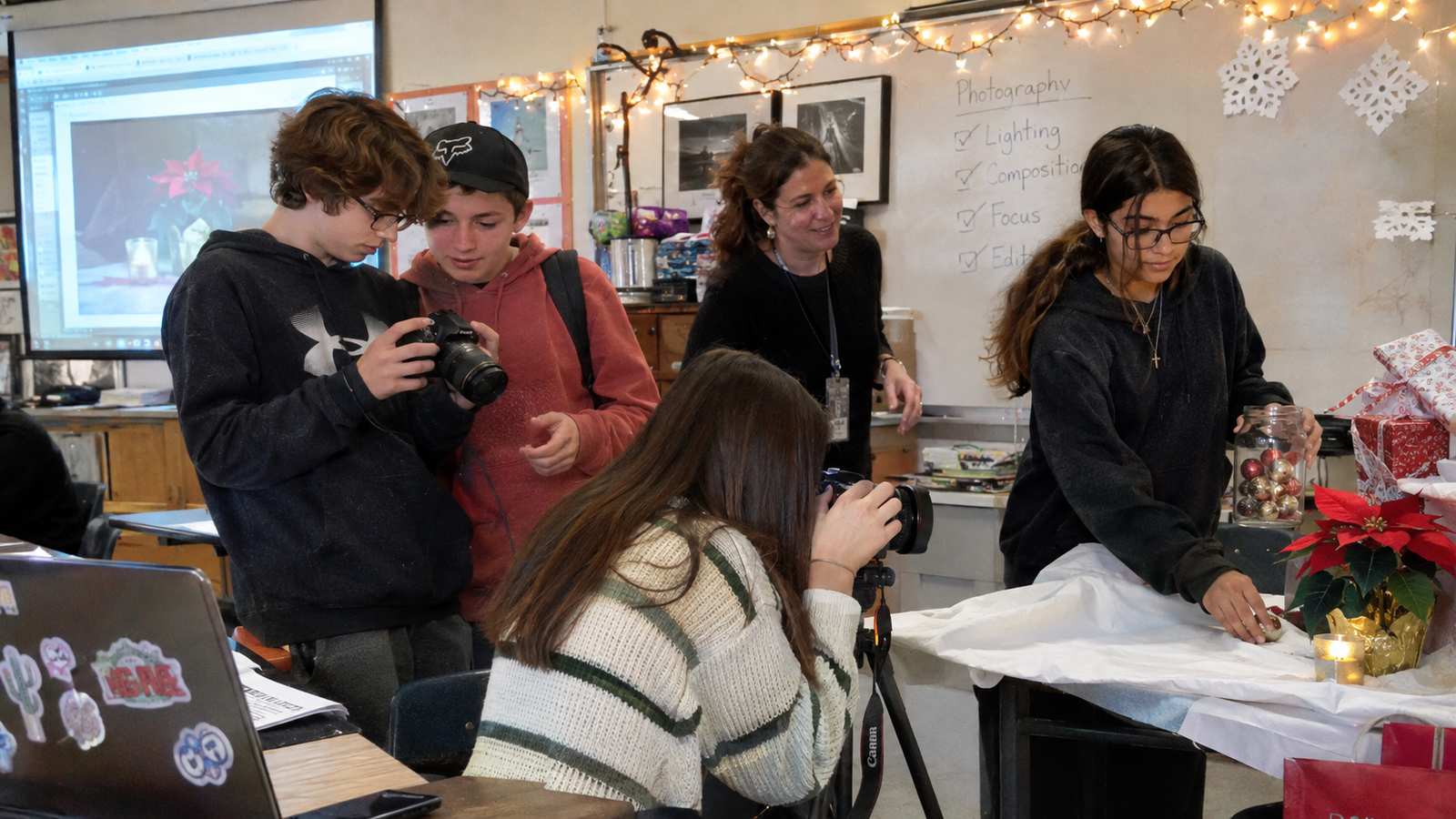
Bring a Little Extra Creativity to Your Classroom This Holiday Season!
Looking for fun, low-prep ways to help students put their creativity into action?
Picture Power's Holiday Photography Activities Kit makes it easy with 15 festive photo challenges, a photography scavenger hunt, bingo, and other ready-to-use activities.
Perfect for encouraging creative exploration, building confidence, and keeping students engaged during the busy holiday season.
Explore the Holiday Photography Activities Kit →
More from picture power



recommended for you
7 Low Light Digital Photography Tips
The test of a good photographer is not how well they shoot in good light, but how they handle a low-light situation. Here are some basic tips on shooting low light digital photography.
Engagement Photo Ideas For Wedding Photographers And Couples
Whether you use props, matching outfits or a unique setting, get inspired with these engagement photo ideas.
Fun Photography Ideas | Tips for photographing toys and memorabilia
These fun photography ideas can turn a boring day into a day of adventure. Give your toys the attention they deserve and learn how to think like a cinematographer.



A COMPLETE PHOTOGRAPHY TEACHING KIT
10 fun, ready-to-teach lesson plans & more!



Search
Picture Power