Take Better Photos of your Kids
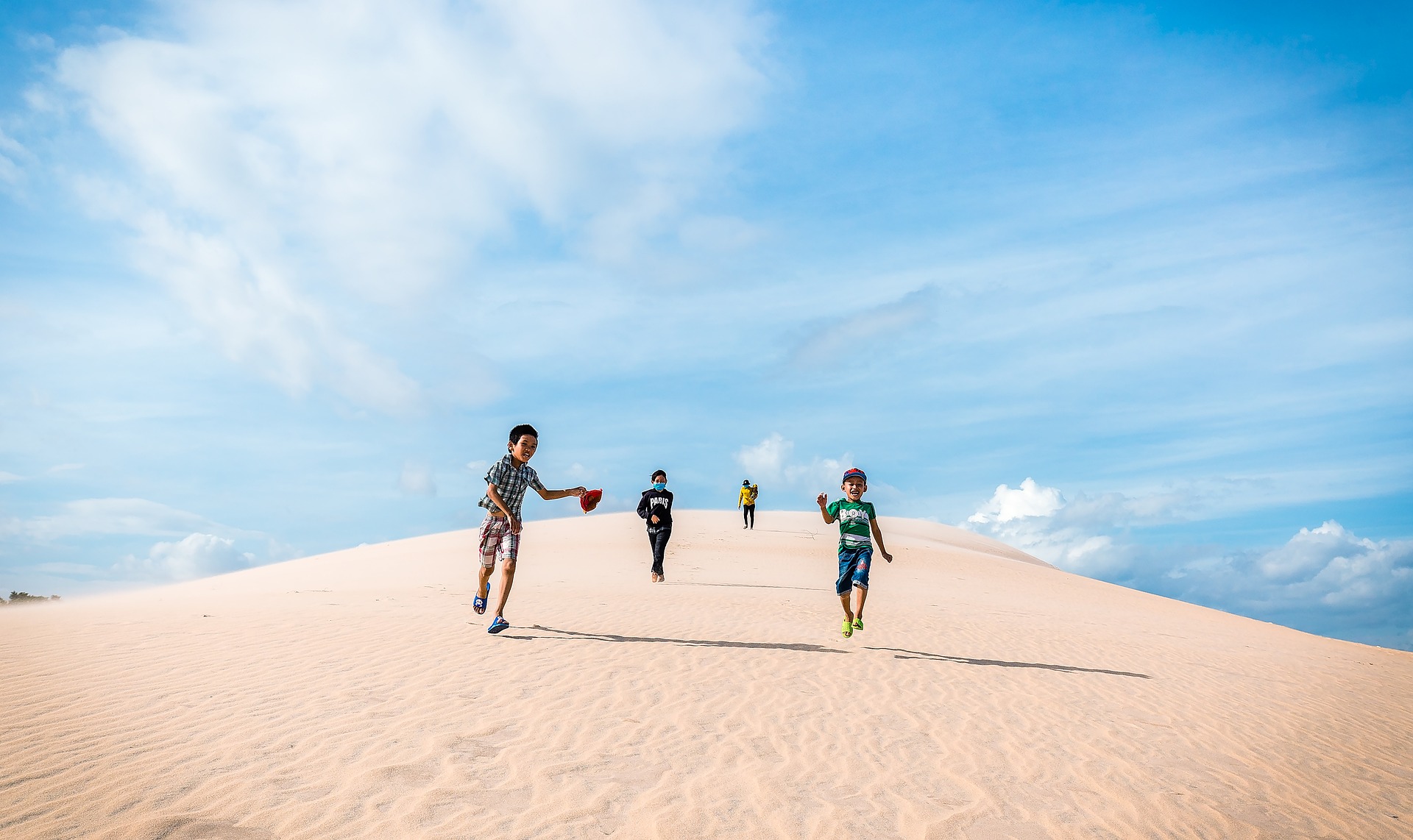
A photography lesson for parents and grandparents who want to capture the moments that matter.
This past weekend, I spent time helping a couple learn how to use their new Ricoh GR IV camera. They have two young children, a seven-month-old and a three-year-old.
Before meeting with anyone for a photography lesson, I always ask three questions: What camera are you using? What questions do you have? And most importantly, what kind of photography do you want to do?
Their answer was simple. They wanted to take better pictures of their kids.
I told them we were going to approach their photography as though they wanted to become sports or street photographers.
After all, a three-year-old isn't going to wait while you adjust your camera settings. Babies don't hold expressions until you're ready. The moments worth photographing happen quickly, unpredictably, and often only once.
The challenge isn't getting children to cooperate with the camera. It's learning to use the camera without interrupting childhood.
Learn to Photograph Movement
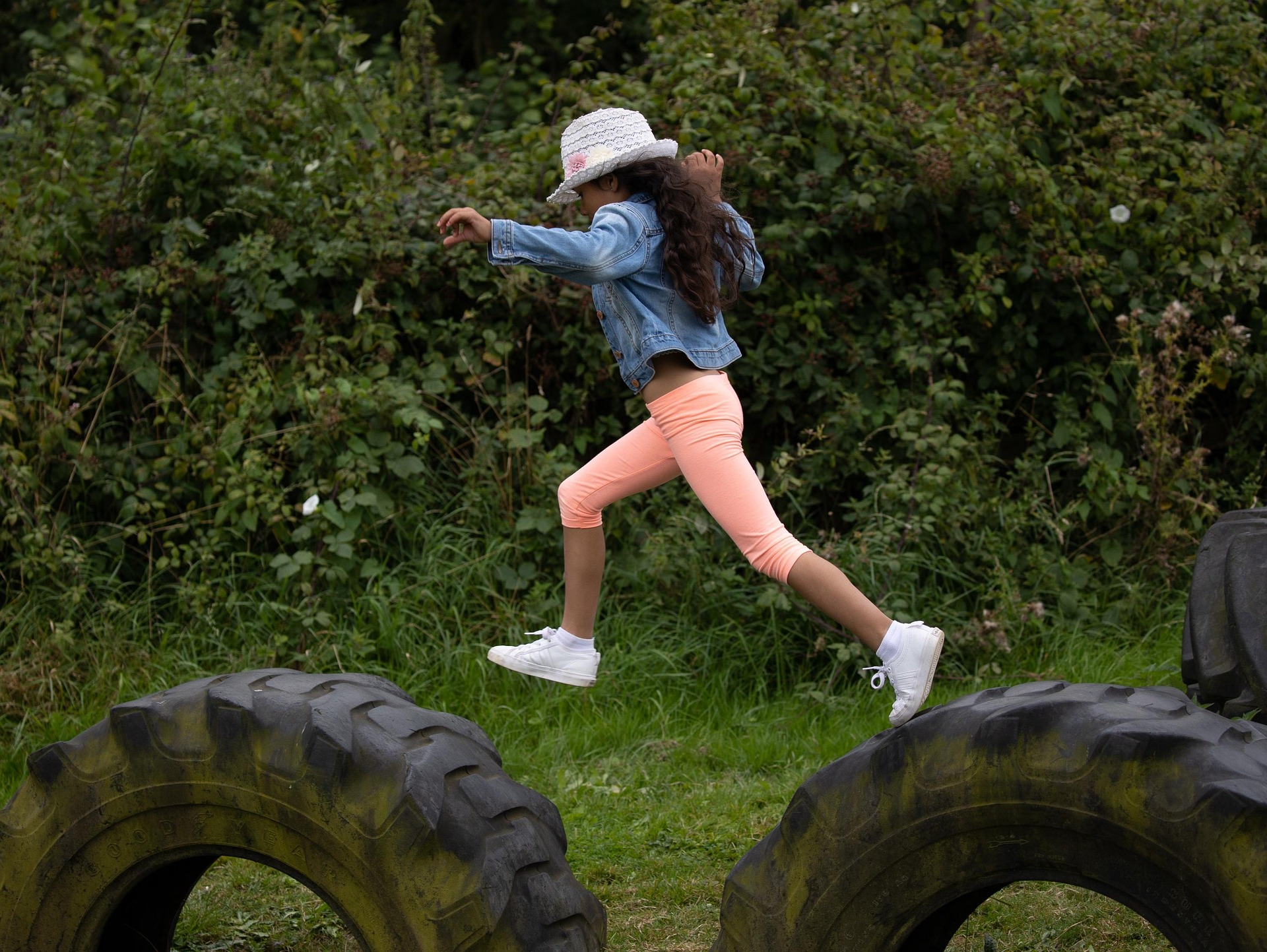
We started by setting their camera to Shutter Priority mode.
This allows them to control shutter speed while the camera handles much of the remaining exposure calculation.
Why shutter speed? Because children move.
A shutter speed of 1/250 second might work for a child playing quietly. At 1/500 second, you're better prepared for an active toddler. At 1/1000 second, you have a better chance of freezing running, jumping, and other fast movements.
These are starting points, not guarantees. Available light matters, too.
The important thing is understanding what shutter speed does and knowing how to change it without hesitation.
We then worked through the camera's menu, line by line, discussing which features would help them photograph their children.
But I also made something clear: Knowing your camera is not the same as knowing how to make a good photograph.
The Background Is Your Responsibility
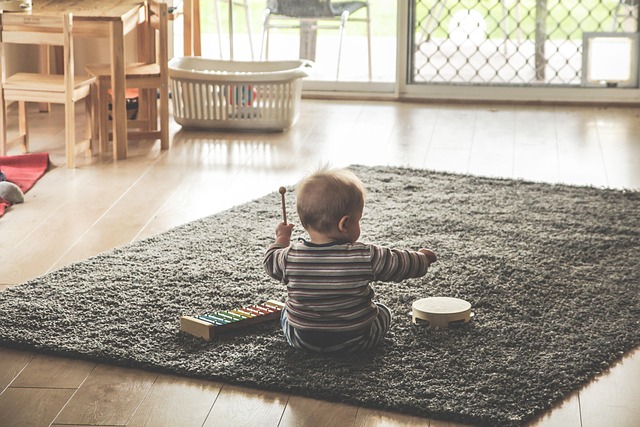
Their Ricoh has a fixed 28mm-equivalent wide-angle lens. It's a wonderful focal length for family photography, but it captures a lot of the surroundings.
That means a dirty playroom, laundry basket, television, or cluttered kitchen can easily compete with the child you're trying to photograph.
And moving extremely close to a child's face isn't necessarily the answer. Wide-angle lenses exaggerate perspective at close distances, potentially making noses look larger and faces appear distorted.
Instead, pay attention to what's behind your child.
Move a few feet to the left. Get lower. Change your angle. Move something distracting out of the frame.
You don't need a perfectly clean house to make a beautiful photograph. Sometimes the chaos is part of the story.
But you should decide whether that chaos belongs in your photograph.
Your responsibility as a photographer is to make sure the subject receives the attention they deserve.
Your Camera Can't Find Good Light for You
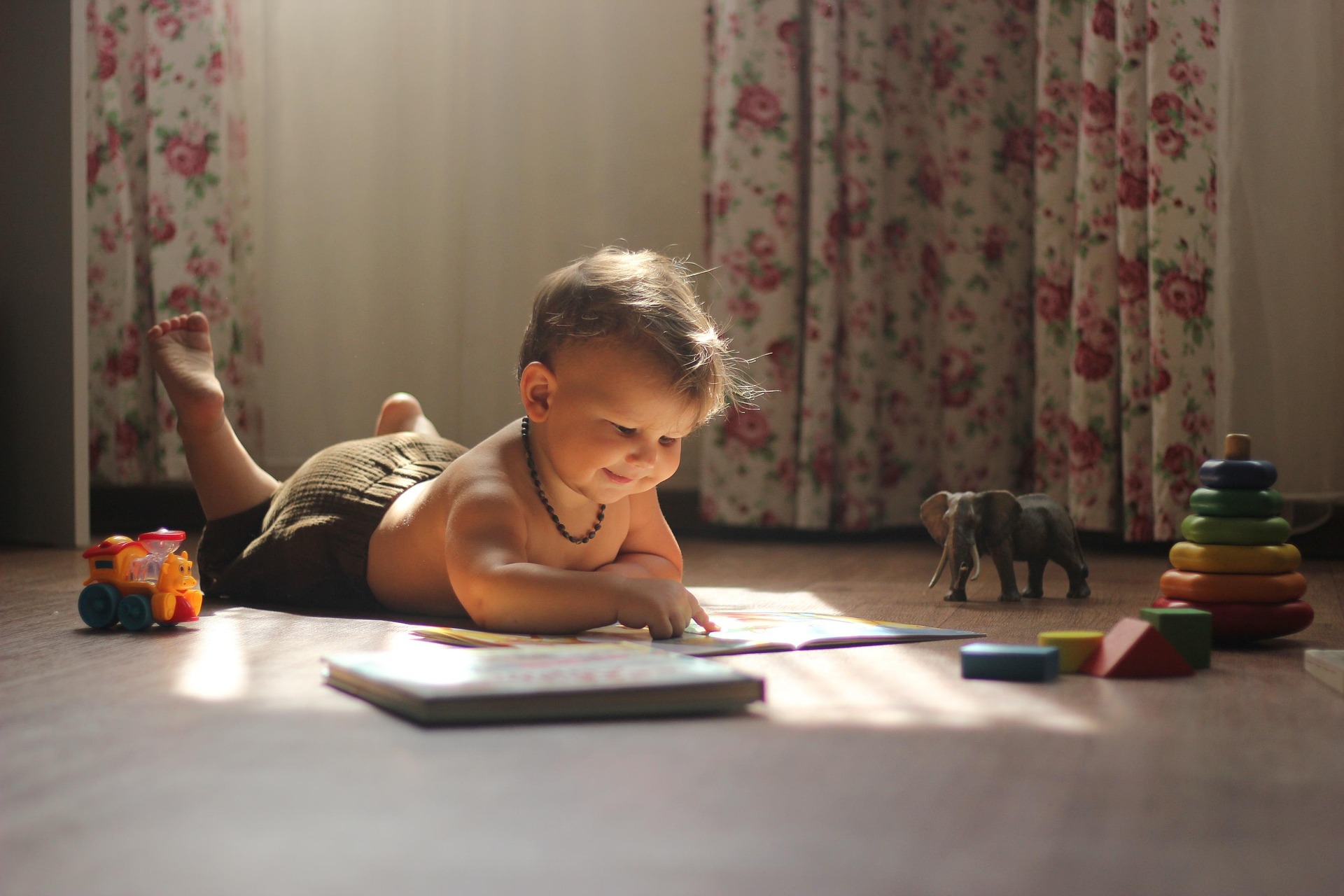
We also discussed what happens when you're photographing children outside in bright midday sunlight.
The sun is overhead. Harsh shadows fall across their faces. Bright reflections appear on their foreheads.
There's no camera setting that can magically turn harsh overhead sunlight into beautiful, soft light.
That's a problem you solve by paying attention.
Move into open shade. Look for light coming through a window. Notice how the light changes throughout the day.
Sometimes the difference between an ordinary photograph and a wonderful one is simply moving a few feet.
Your camera can measure light, but it can't decide where the best light is.
That's your job.
Practice. Make Mistakes. Learn.
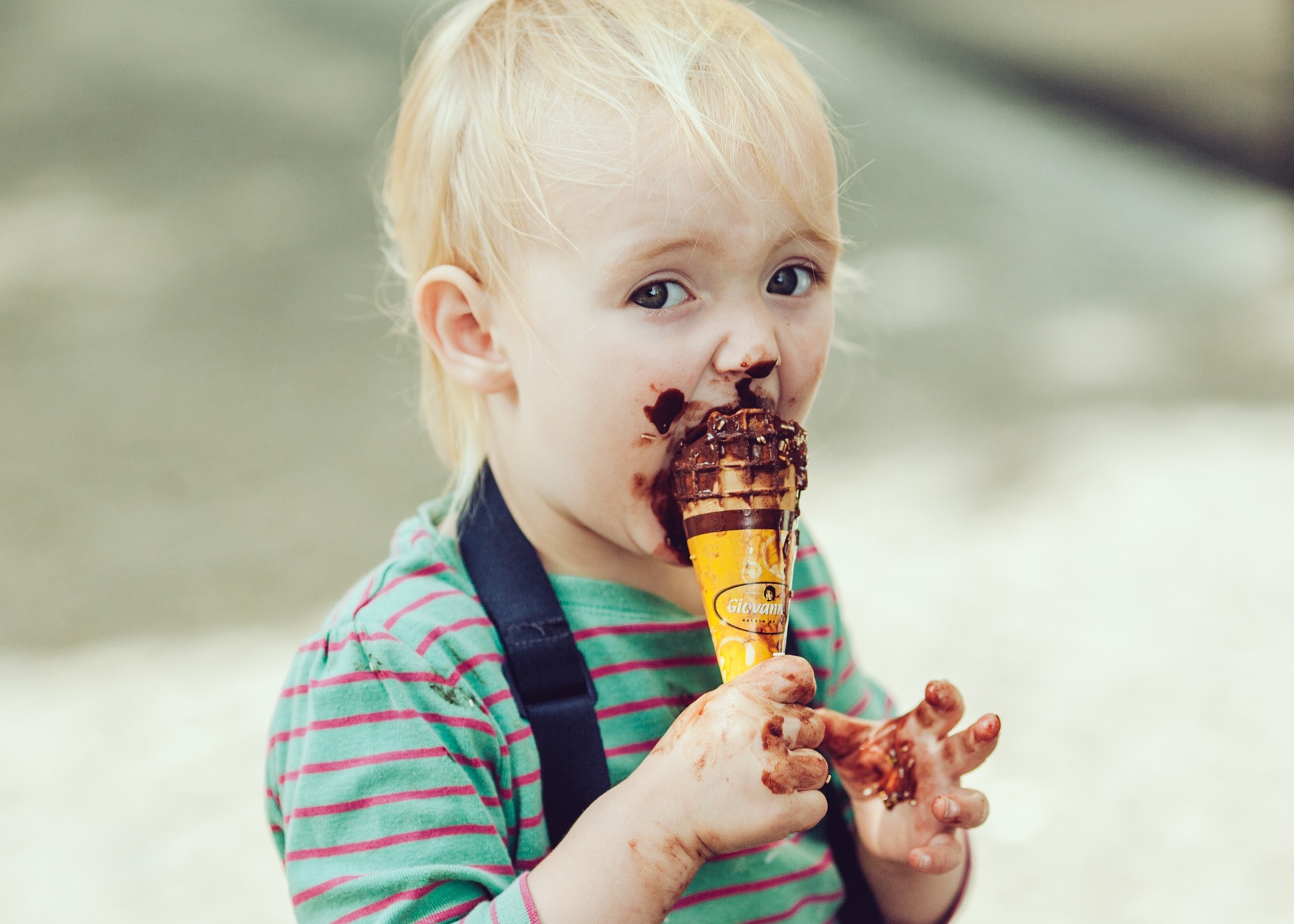
One of the most important things I told this couple was that they needed to practice.
Not just when something special was happening. Especially when nothing special was happening.
Photograph your child walking across the room. Practice changing shutter speeds. Take pictures in different lighting conditions. Experiment with backgrounds and camera positions.
Make mistakes.
Take blurry pictures. Get the exposure wrong. Discover that your background is distracting.
Then look at those photographs and figure out what happened.
That's how you learn.
And there's a very good reason to practice when nothing important is happening.
When something important does happen, you shouldn't have to think about your camera.
You should already know where the controls are. You should know how to adjust your shutter speed without searching through menus.
Eventually, those actions become muscle memory.
Just as a musician practices scales or an athlete repeats the same movements, photographers develop their skills through repetition.
The goal is to become so comfortable with your camera that operating it requires almost no conscious thought.
Because when your child does something wonderful, your attention should be on your child, not your camera settings.
When in Doubt, Use Auto Mode
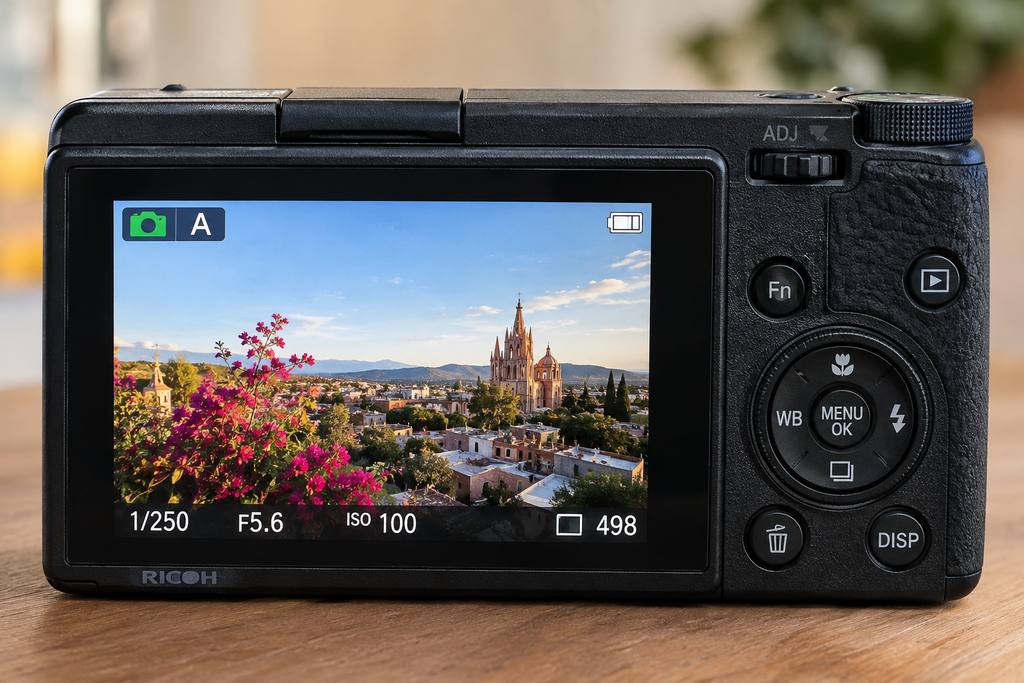
I also gave them permission to forget everything we had just discussed.
Well, almost everything.
If a wonderful moment is unfolding and you're struggling with camera settings, put the camera in Auto mode.
Seriously.
Don't miss your child's first steps because you're trying to remember which setting controls shutter speed.
Don't interrupt a beautiful interaction between siblings because you're searching through a menu.
Let the camera handle the technical decisions.
You still have plenty of important work to do.
Find the best light. Pay attention to the background. Choose where to stand. Watch what's happening. Anticipate the next moment.
Those are photographic decisions, and they're often more important than the camera settings.
There's nothing wrong with using Auto mode. The mistake is allowing your uncertainty about the camera to distract you from the photograph.
That's another reason to practice. The more you practice, the less often you'll find yourself struggling with the camera when something important happens.
Stop Asking Children to Smile
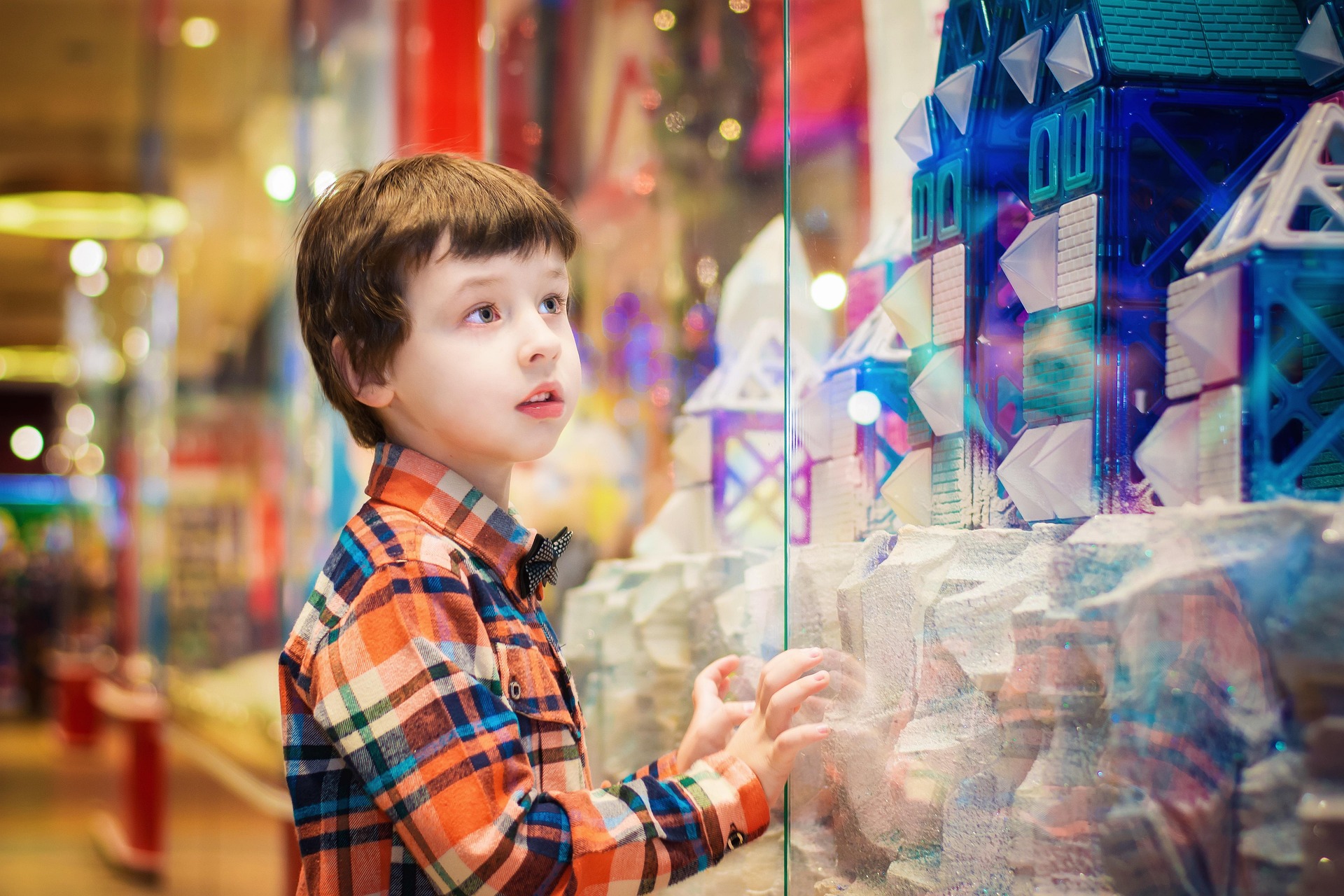
Some of the most meaningful photographs of children happen when they aren't paying attention to the photographer.
A baby reaching for a parent's face.
A toddler completely absorbed in building something.
A child running toward a grandparent.
Two siblings laughing at something nobody else understands.
These are the moments that tell us something about who our children are.
And they rarely happen on command.
Sports photographers learn to anticipate action. Street photographers learn to recognize gestures, expressions, and relationships.
Parents and grandparents can develop those same skills.
Watch your children. Learn their routines. Notice what makes them laugh, what captures their attention, and what happens just before a familiar expression appears.
Rather than asking them to stop what they're doing and look at the camera, learn to photograph what they're already doing.
The best photographs of childhood often happen when children are simply being children.
The Most Important Camera Skill Isn't a Camera Setting
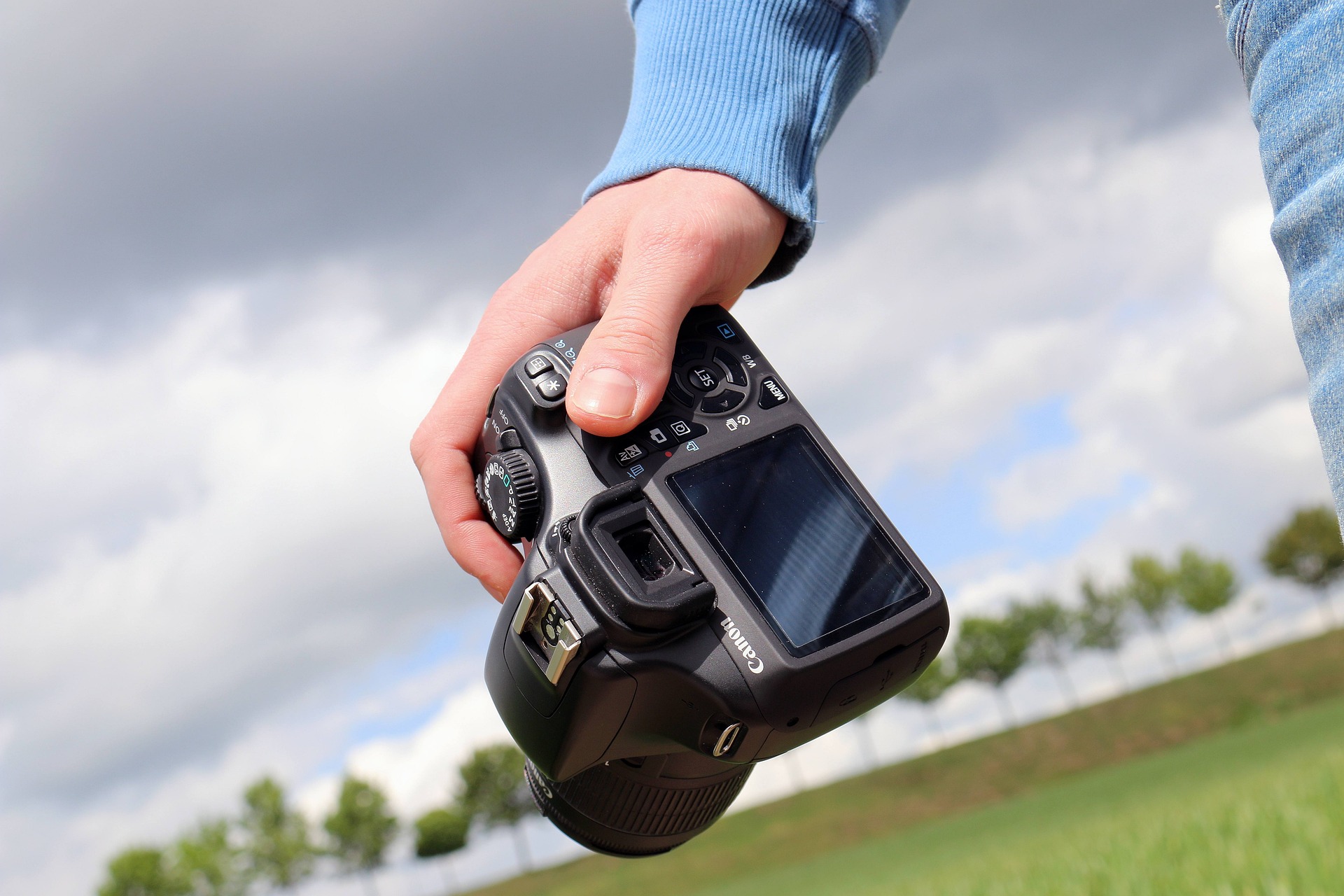
By the end of our lesson, I hoped this couple understood something beyond the mechanics of their Ricoh GR IV.
A camera is a tool. A remarkably capable tool, but a tool nonetheless.
It doesn't know what's important to you.
It doesn't know that a particular expression on your daughter's face is something you'll want to remember twenty years from now.
It doesn't know that moving three feet to the right would eliminate a distracting background.
And it doesn't know when to stop worrying about settings and simply take the picture.
Those decisions belong to you.
So practice with your camera. Make mistakes. Learn from them. Get comfortable enough that using it becomes second nature.
But remember that the real skills you're developing are observation, anticipation, and the ability to make decisions about what matters in a photograph.
Your children aren't going to stay little while you figure everything out.
And twenty years from now, you probably won't remember what shutter speed you used.
You'll remember the moment.
Practice the mechanics so you can forget about the mechanics. Then give your full attention to the life happening in front of you.
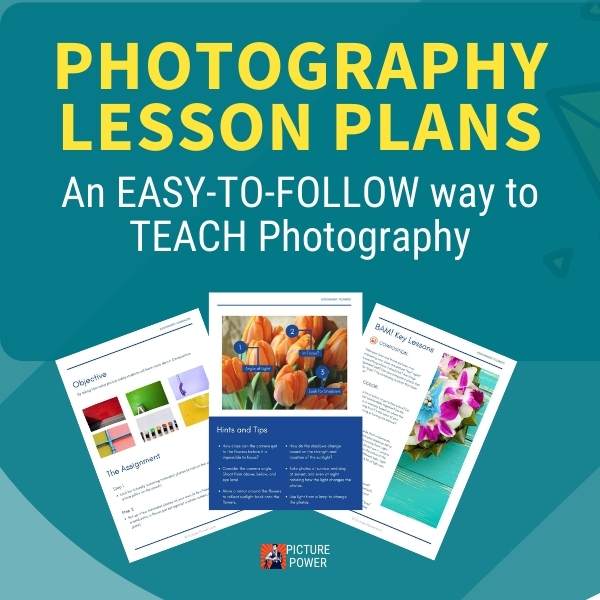
Photography TEACHING & ACTIVITIES KIT (Printables)

Jump right into teaching photography with our exclusive Photography Teaching & Activities Kit
Includes:
- 10 Photography Lesson Plans
- Teacher's Guide
- Student Workbook
- 3 Photography Study Guides
- 30-Day Photography Challenge
- 52 Cut-Out Photo Flash Cards
- Photo Scavenger Hunt
More from picture power



recommended for you
7 Low Light Digital Photography Tips
The test of a good photographer is not how well they shoot in good light, but how they handle a low-light situation. Here are some basic tips on shooting low light digital photography.
Engagement Photo Ideas For Wedding Photographers And Couples
Whether you use props, matching outfits or a unique setting, get inspired with these engagement photo ideas.
Fun Photography Ideas | Tips for photographing toys and memorabilia
These fun photography ideas can turn a boring day into a day of adventure. Give your toys the attention they deserve and learn how to think like a cinematographer.



A COMPLETE PHOTOGRAPHY TEACHING KIT
10 fun, ready-to-teach lesson plans & more!





Search
Picture Power