Photography in Education
Before We Teach Children What to See
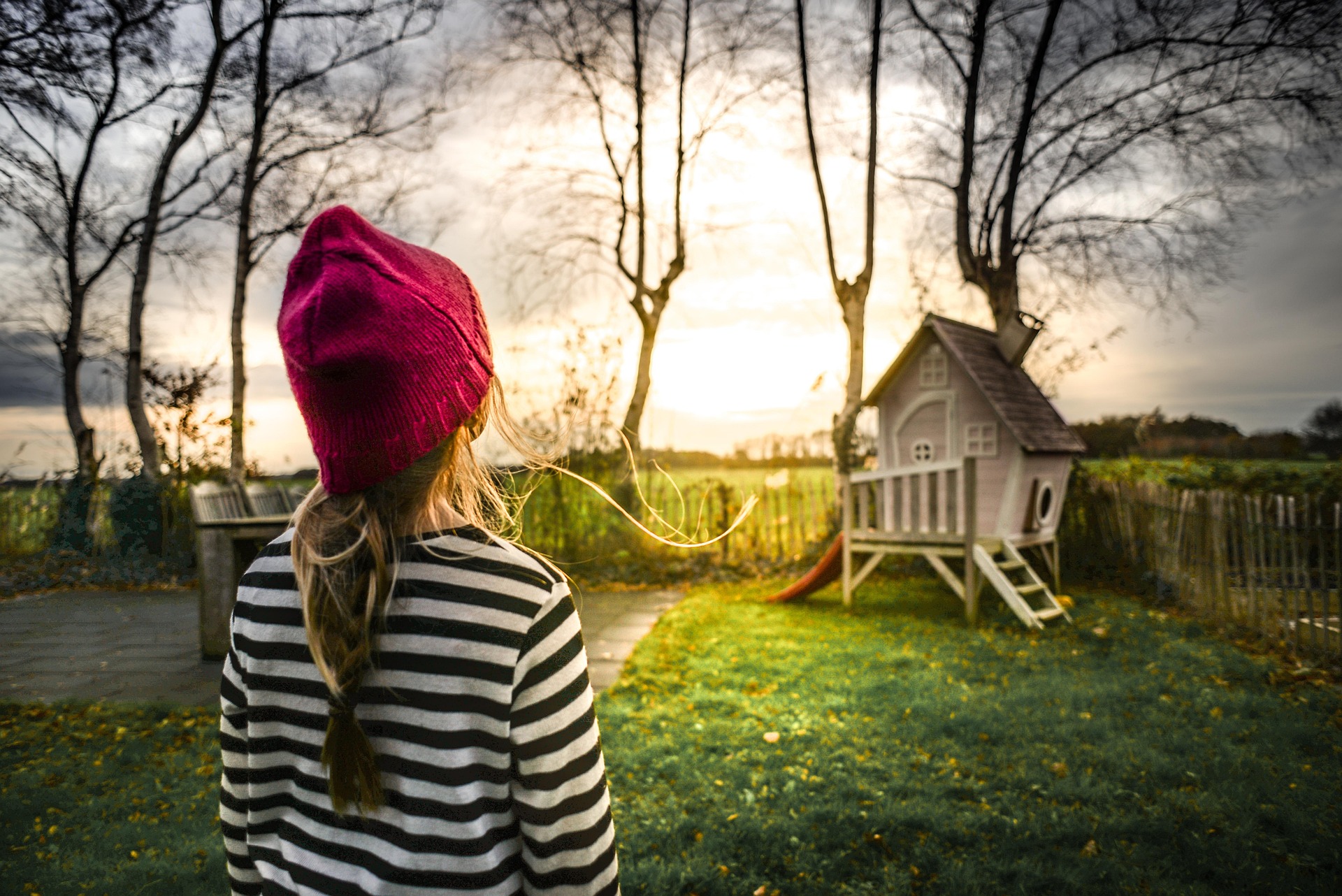
Before we teach children what to see, give them a chance to show us what they already see.
There is a remarkable window somewhere around the ages of five, six, and seven.
Children are beginning to enter a world of intentional learning. There are letters to recognize, numbers to count, words to spell, and questions that increasingly have right and wrong answers.
But they have already been learning for years.
Long before the worksheets arrive, children are students of the world. They watch. They listen. They touch. They imitate. They experiment.
They observe.
And then they marinate.
A child sees something, carries it around for a while, mixes it with everything else they have experienced, and eventually responds. Sometimes that response is a question. Sometimes it is a drawing. Sometimes it is something they say three days later from the back seat of the car.
We tend to think learning begins when we start teaching.
It doesn't.
Teaching simply changes the conversation.
And somewhere around five to seven years old, we have an extraordinary opportunity to listen to what children have already been learning.
We can do it with something most of us already have in our pockets.
A camera.
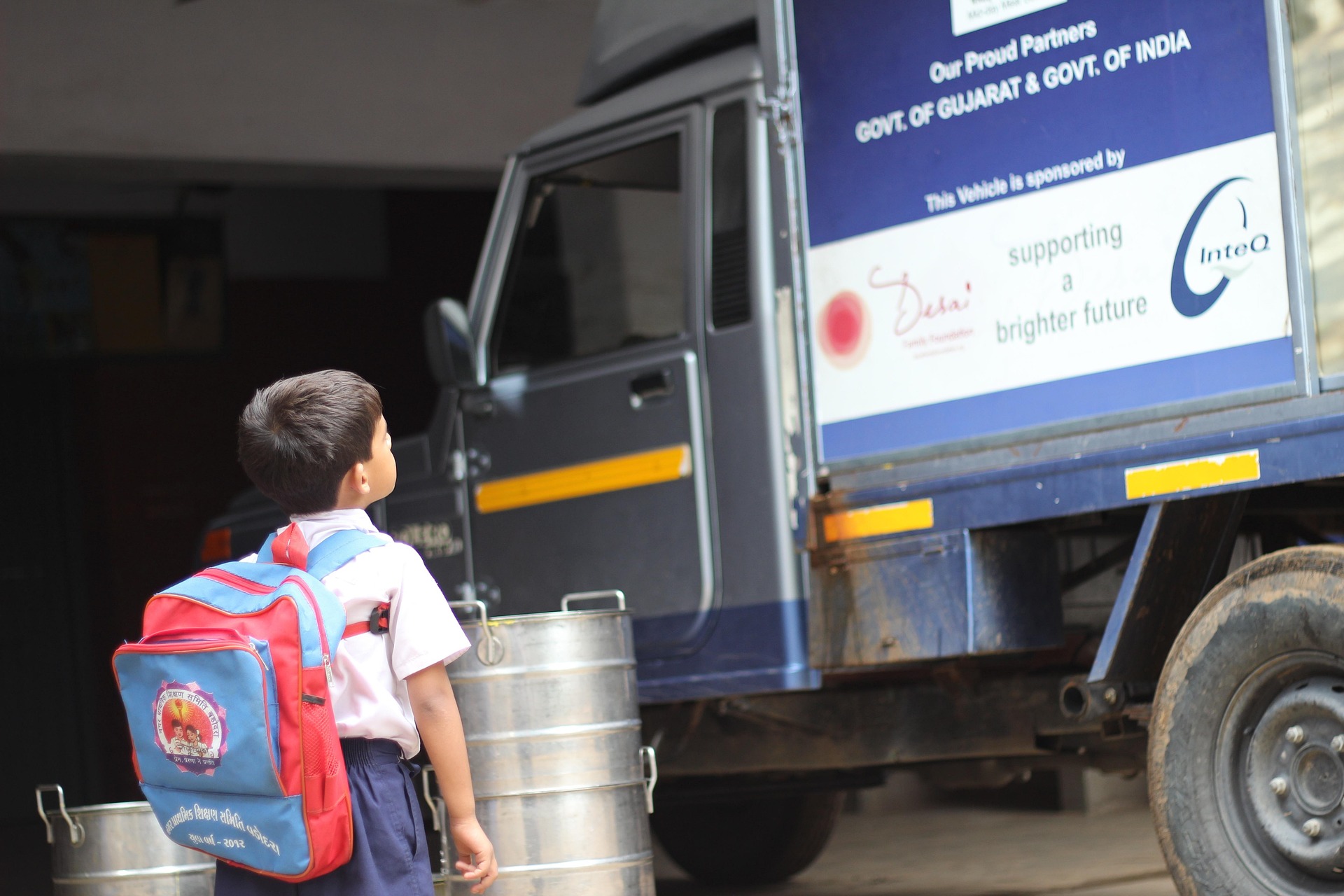
Don't teach photography just yet
Hand a child your phone and resist the temptation to explain photography.
Don't start with composition.
Don't explain lighting.
Don't tell them to hold the camera straight.
Don't even tell them what would make a good picture.
Instead, give them a simple assignment:
“Take a picture of something you think I haven't noticed.”
Then wait.
What comes back might surprise you.
Maybe it's a crack in the sidewalk.
Maybe it's the way sunlight is hitting the dog's fur.
Maybe it's three toys arranged underneath the bed.
Maybe it's a dead bug.
Maybe it's your shoes.
To you, these things may be background noise. To your child, one of them was worth stopping for.
That's the important part.

A Photograph Is a Little Flag in the Ground
Every time we take a photograph, we're making a decision.
This.
Out of everything happening around me, I am choosing this.
Adults have spent decades learning what we're supposed to photograph. Sunsets are beautiful. Birthdays are important. Everyone should smile when the camera comes out.
Children haven't learned those rules yet.
That's precisely why their photographs can be so interesting.
A child's photograph is a little flag planted in the enormous landscape of their experience:
I noticed this.
Before asking whether it's a good photograph, ask why they took it.
“What did you see?”
“What made you choose this?”
“What's happening here?”
Now the photograph becomes a doorway.
And instead of pulling the child through your doorway, you're walking through theirs.
Let Them Be the Guide
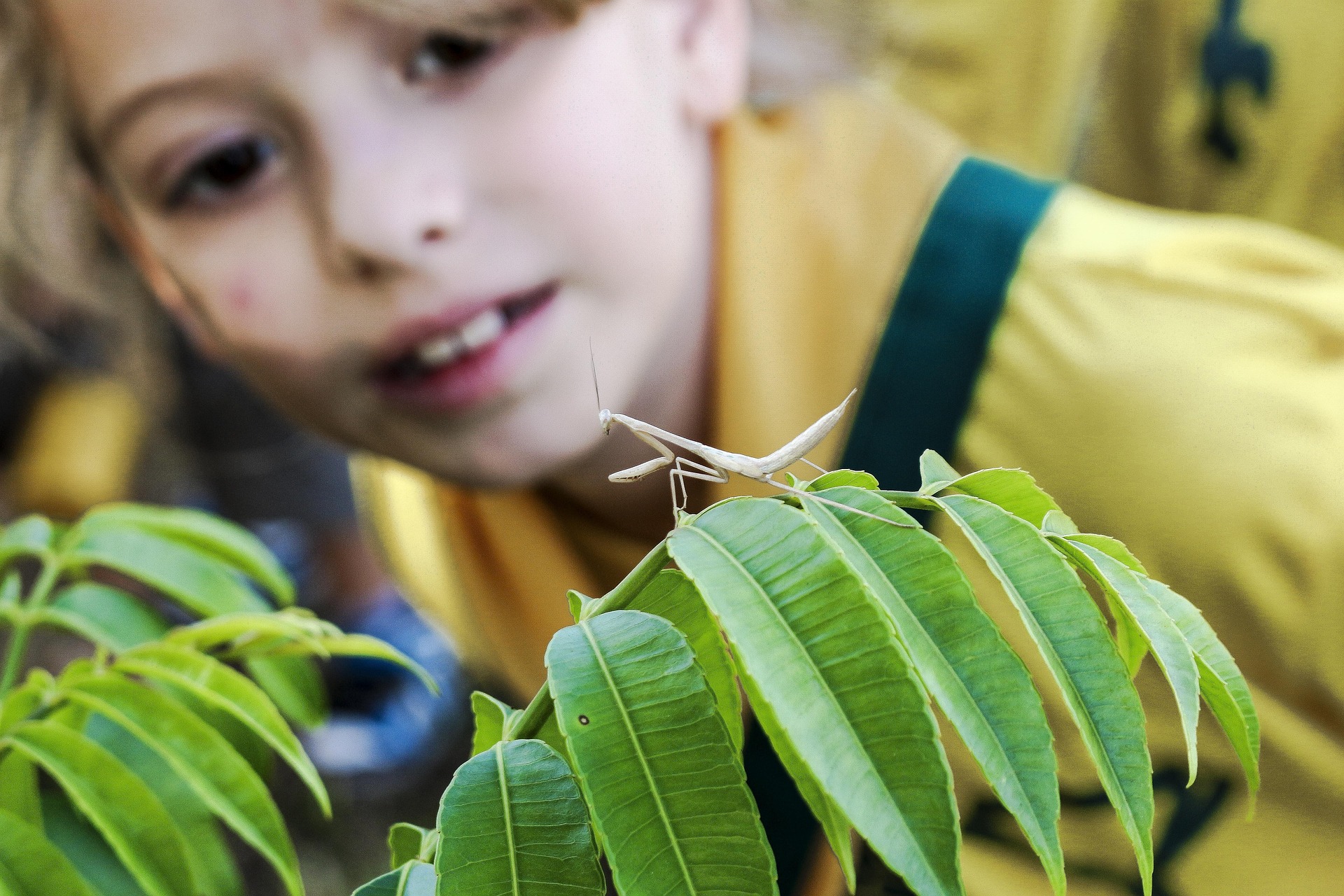
Imagine taking a short walk with your six-year-old and giving them control of the camera.
Tell them they can take ten photographs.
That's it.
You aren't the photography teacher. You're the assistant carrying the water bottle.
Let them decide where to stop.
When you get home, look through the ten pictures together.
Don't begin by correcting them.
Begin by being curious.
You might discover that four of the ten photographs involve shadows. Or animals. Or things that are broken. Or circles. Or the color yellow.
Perhaps there's no pattern at all.
That's okay too.
You're not administering a test.
You are being invited into someone else's field of vision.
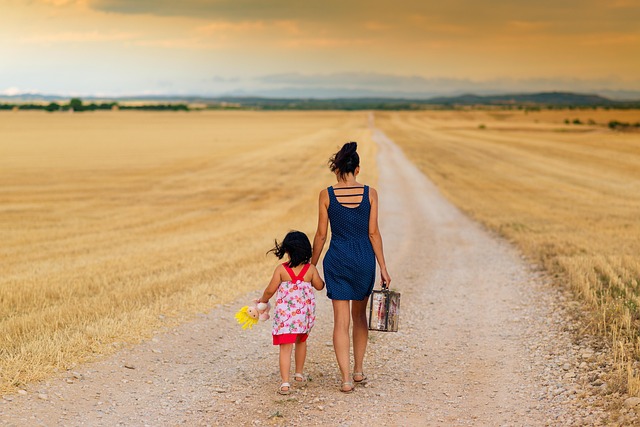
Be careful not to mow the path too soon
Adults are very good at making paths.
We label things. Categorize them. Explain them. Correct misconceptions. Provide answers.
That's part of our job as parents.
But sometimes we mow the path so quickly that children never get the opportunity to wander through the tall grass.
Photography gives us a reason not to.
Instead of saying, “Take a picture of that beautiful flower,” try:
“Show me something beautiful.”
Those are very different instructions.
The first asks the child to see what you see.
The second asks you to discover what they see.
Their answer might not be a flower.
That's the point.

The Camera Can Come Before the Words
Young children don't always have the vocabulary to explain what catches their attention.
But they can point.
Photography is pointing with a memory attached.
A child can say:
Look at this.
And the photograph keeps the thought from disappearing.
Later, you can return to it together.
This is one of photography's quiet powers. It can sit between experience and language.
The camera doesn't require a child to know the right word before having the thought.
Then they photograph.
Then perhaps they find the words.
You're Not Trying to Create a Photographer
Your child may have absolutely no interest in photography when they're older.
That's fine.
The goal isn't to create a photographer.
The goal is to exercise something much more fundamental: attention.
Attention is the soil where almost everything else grows.
Reading requires attention.
Science begins with observation.
Math requires recognizing relationships and patterns.
Writing becomes richer when we notice details.
Empathy asks us to notice other people.
Creativity often begins when someone looks at something ordinary and sees something everyone else walked past.
A camera is simply one way of saying:
Slow down. Look again. Choose.
Those are useful skills whether the child eventually becomes an artist, engineer, veterinarian, carpenter, scientist, parent, or something that doesn't have a name yet.
try this today
Give your child a phone or simple camera.
Don't give them a photography lesson.
Give them five photographs.
And one question:
“Can you show me five things you noticed today?”
When they're finished, sit together and look.
Don't worry about crooked horizons, blurry pictures, fingers covering lenses, or whether anything would look good hanging on the refrigerator.
Ask about the pictures.
Listen to the answers.
Because for the first years of your child's life, they have been quietly absorbing a world that you already know.
You know what a sidewalk is.
You know what rain is.
You know what a grocery store looks like.
You know what happens when sunlight comes through the kitchen window.
To them, the paint is still wet.
The world hasn't completely dried into definitions yet.
Photography gives them a way to bring a few pieces of that world back to you.
So before we teach children what is important, what is beautiful, what deserves attention, and what is worth photographing, perhaps we should hand them the camera.
And see where they point it.
Before we teach children what to see, give them a chance to show us what they already see.
Photography TEACHING & ACTIVITIES KIT (Printables)

Jump right into teaching photography with our exclusive Photography Teaching & Activities Kit
Includes:
- 10 Photography Lesson Plans
- Teacher's Guide
- Student Workbook
- 3 Photography Study Guides
- 30-Day Photography Challenge
- 52 Cut-Out Photo Flash Cards
- Photo Scavenger Hunt
More from picture power



recommended for you
7 Low Light Digital Photography Tips
The test of a good photographer is not how well they shoot in good light, but how they handle a low-light situation. Here are some basic tips on shooting low light digital photography.
Engagement Photo Ideas For Wedding Photographers And Couples
Whether you use props, matching outfits or a unique setting, get inspired with these engagement photo ideas.
Fun Photography Ideas | Tips for photographing toys and memorabilia
These fun photography ideas can turn a boring day into a day of adventure. Give your toys the attention they deserve and learn how to think like a cinematographer.



A COMPLETE PHOTOGRAPHY TEACHING KIT
**BRAND NEW FOR 2026!




Search
Picture Power